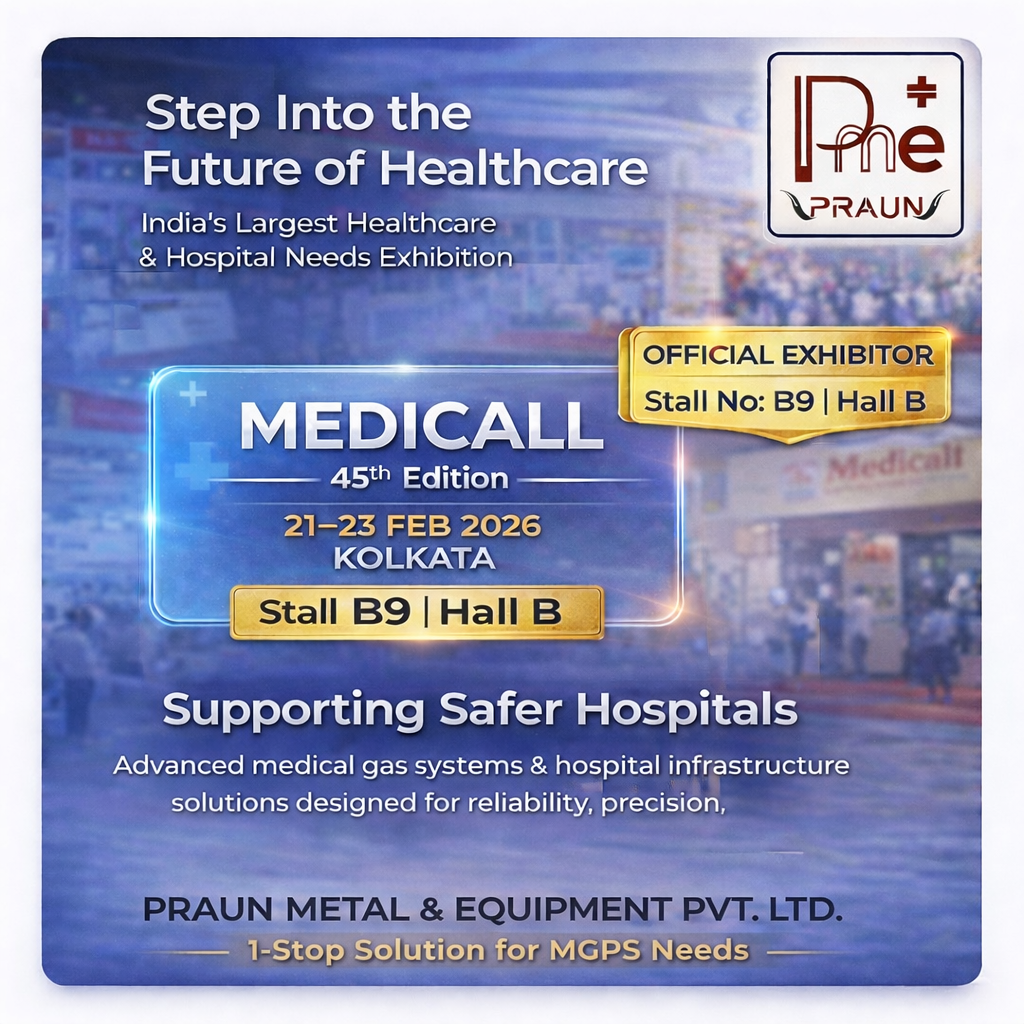
Healthcare services in India are improving every year. Hospitals and clinics are now focusing more on patient safety, better infrastructure, and efficient medical systems. One important system that helps hospitals run smoothly is the Medical Gas Pipeline System (MGPS). It ensures that essential gases like oxygen, medical air, and vacuum reach different hospital departments without delay. Many hospitals today depend on systems such as oxygen pipeline in hospital in Kolkata to provide continuous oxygen supply for patient treatment.
In Assam, the healthcare sector is expanding quickly. New hospitals, medical colleges, and diagnostic centers are opening in cities and towns. To support this growth, healthcare facilities need modern infrastructure that can deliver safe and efficient medical services. Installing MGPS has become a key solution for hospitals that want to improve patient care and hospital operations.
Better Patient Safety
One of the biggest benefits of installing MGPS is improved patient safety. Medical gases such as oxygen are life-saving elements for patients in ICUs, operation theatres, and emergency wards. A centralised pipeline system ensures that the gases are always available when doctors and nurses need them.
MGPS systems also have monitoring and alarm systems. These alerts inform the hospital staff if there is a pressure drop, leakage, or supply issue. With quick alerts, staff can take immediate action and prevent serious problems.
Smooth and Efficient Hospital Operations
Managing many gas cylinders manually can be difficult for hospitals. Staff must transport cylinders from one place to another, which takes time and effort. With MGPS, gases are delivered directly through pipelines to patient beds, ICUs, and operation theatres.
This makes hospital work faster and more organised. Doctors and nurses can focus more on patient care instead of worrying about gas supply. Hospitals that invest in medical gas systems installation in Kolkata often experience smoother operations and improved efficiency in their daily work.
Long-Term Cost Savings
Although installing MGPS requires an initial investment, it helps hospitals save money over time. Centralised gas systems reduce gas leakage and wastage. Hospitals can store gases in bulk and distribute them through pipelines, which makes the system more efficient.
In regions like Assam, transportation costs for gas cylinders can be high due to distance and weather conditions. With MGPS, hospitals do not need to depend on frequent cylinder deliveries. This reduces operational costs and helps healthcare facilities manage resources better.
Compliance with Healthcare Standards
Hospitals today must follow strict safety and healthcare regulations. Many accreditation bodies require hospitals to install proper medical gas systems to ensure patient safety. MGPS helps healthcare facilities meet these standards easily.
By installing systems like a hospital oxygen manifold system in Kolkata, hospitals can ensure proper gas pressure control, safe distribution, and emergency backup systems. This helps them meet inspection requirements and maintain trust among patients and authorities.
Easy Expansion for Growing Hospitals
Assam’s healthcare infrastructure is growing steadily. As hospitals expand with new wards, ICUs, and departments, they need systems that can grow along with them. MGPS systems are designed in a flexible way so that additional pipeline connections can be added later. This means hospitals can expand their facilities without making major structural changes.
Better Hygiene and Infection Control
Hospitals must maintain strict hygiene standards, especially in critical care areas. When gas cylinders are frequently moved around, there is a higher risk of contamination and infection.
MGPS reduces the need to handle and move cylinders inside hospital buildings. Since gases are delivered through sealed pipelines, the environment becomes cleaner and safer. This is especially important in operation theatres, ICUs, and neonatal units where infection control is extremely important.
Reliable Supply During Emergencies
Natural disasters, floods, or transportation problems can sometimes interrupt cylinder supply in certain regions. Assam is known to experience seasonal floods that can affect logistics and deliveries.
With MGPS, hospitals can store medical gases in central storage units and distribute them through pipelines across the building. Backup systems also ensure that the gas supply continues during emergencies. This reliability is crucial when hospitals are treating critical patients.
Conclusion
Installing an MGPS is an important step for healthcare facilities that want to improve safety, efficiency, and patient care. From ensuring a continuous oxygen supply to reducing manual work and improving hygiene, MGPS plays a major role in modern hospitals.
Healthcare providers who implement solutions such as oxygen pipeline in hospital in Kolkata can build safer and more efficient healthcare environments. Companies like Praun Metal support hospitals with reliable MGPS solutions that help healthcare facilities grow while maintaining high safety standards.